

Tips for the Heart of Jutland (Trekantområdet), Denmark
Yay, Billund. Yay LEGOLAND. We in the Netherlands are certainly familiar with that theme park in Denmark. But the Heart of Jutland is so much bigger and more fun than just LEGOLAND. The region surrounding the cities of Fredericia, Kolding, Vejle, and Billund is located centrally in Jutland and stretches from the Little Belt far inland. The little what? That is the body of water separating Jutland from the island of Funen. On that side, you will find the coast and the fortified towns, and the further inland you drive, the greener it gets: river valleys, forests, and heathland. Anyway, it is in any case an area with bustling fortified towns, a green river valley, and archaeological finds thousands of years old. And pinky promise: you can visit the Heart of Jutland perfectly well without LEGOLAND. Or you can include it and discover that the rest of the region is at least as interesting. These are our tips for the Heart of Jutland (Trekantområdet), Denmark.
Good to know: the Heart of Jutland is centrally located in Jutland and is therefore easy to combine with Southern Jutland in the south and The coastal country in the north. From the Danish border, it takes about an hour and a half to drive there. A road trip is roadtrippin'.
A banger on the speakers and let's go gaze at the landscape. We are fully immersed in the road trip. Are you coming from the south? Then make a pit stop at Christiansfeld. Christiansfeld was founded in 1773 by the Moravian Brethren, a Protestant brotherhood that designed the entire town according to its own ideals: straight streets, yellow brick houses with red roof tiles, and a large, unadorned white church hall. The town is on the UNESCO World Heritage List. And what the town is still known for today (also the reason we are sending you here) are the honey biscuits. You can buy them at Xocolatl at Lindegade 36, among other places. And chances are that when you are at Xocolatl, more than just the biscuits will fly off the counter. Everything here is delicious, and you can comfortably settle down in the café at the back of the shop.
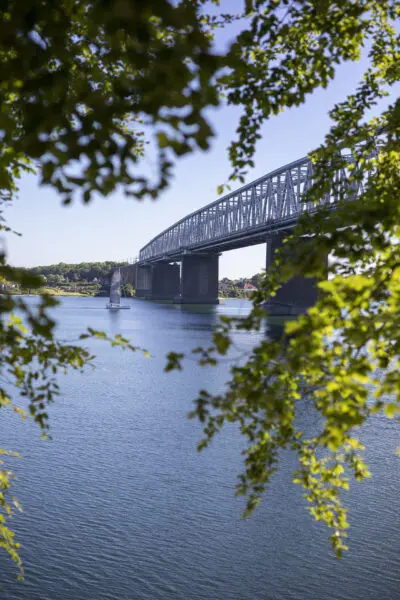
Hopefully you managed to get some strength from the honey cookies, because in Middelfart you have your work cut out for you. The old Little Belt Bridge opened in 1935 and connects Jutland with Funen. Trains and cars drive over it, and for a few years now, people have also been walking on top of it. Whut? Yes! With Bridgewalking, you walk with a guide across the steel arch of the bridge to a height of about sixty meters above the water. No worries, you are attached to a safety line the entire time and climb gradually upwards. Along the way, the guide stops to tell you about the construction of the bridge and the surrounding area. You see the coast of Jutland on one side, Funen on the other, and the new bridge a little further on (where the highway now runs). And very cool, because the Little Belt has one of the largest concentrations of porpoises in the world. Time to go spotting! And it's fun to see from here how seriously Danes take sailing.
The tour departs from the Welcome Centre on Galsklintvej in Middelfart and lasts approximately two hours. Wear clothing suitable for the weather, as it is always windier at the top than at the bottom. You will be given a suit to wear over your clothes, not so much for the heat but more to protect against the dirt on the bridge (we didn't think it was too bad, but okay) and to prevent your clothing from snagging. Do you suffer from a fear of heights? Then you'd better skip this one. The tour is conducted in English, so please check the website for details. If you know in advance that you are coming but cannot find an English tour, send an email. Reservations are also recommended. black.
Bridge Walking | ©Bridgewalking Fredericia (Destination Trekantomraadet)
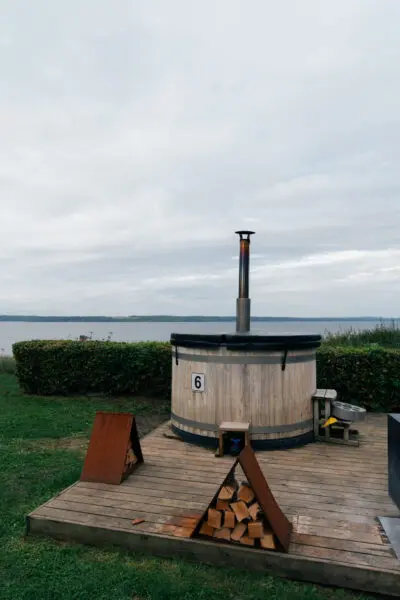
We aren't going home yet, not by a long shot…. Because Fredericia in the Heart of Jutland is also well worth a visit. This fortified town on the Lillebælt (Little Belt) is cozy and charming, just like the surrounding nature. For instance, we stayed north of Fredericia near the Trelde Næs peninsula. An incredible nature reserve with forest, steep cliffs, fantastic hiking trails, and a rocky coastline. At DANCAMPS Trelde Næs is next-level camping when you book a safari tent with a private kitchen, bathroom, and a large terrace. The safari tent has enough space for four people. The crème de la crème is the wilderness hot tub. A private hot tub (the number matches the number of your safari tent) that is heated upon arrival. A bottle of wine is also waiting for you upon arrival; 1 + 1 = 2.
From your hot tub, you have a view of the water.
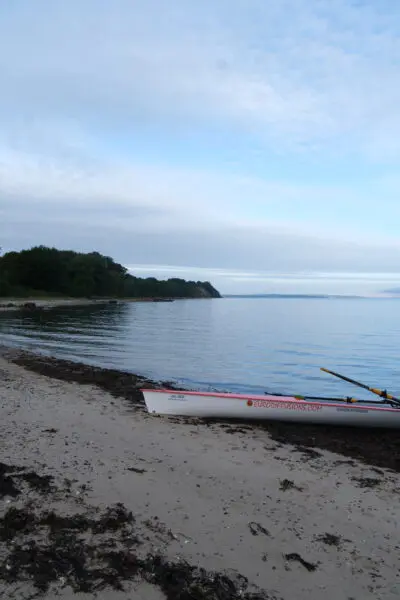
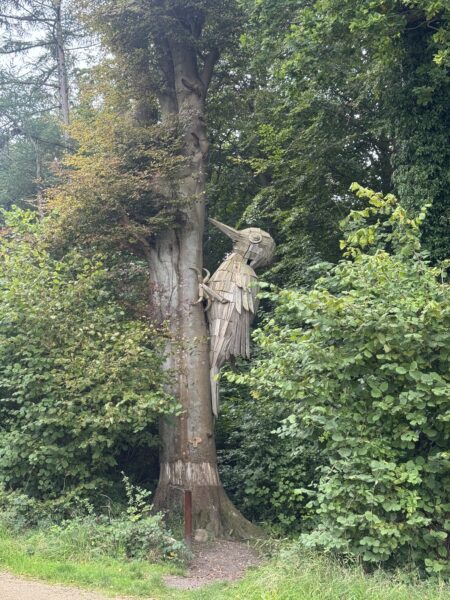
Those who prefer to be active can walk straight from the tent onto the peninsula for a stroll along the coast. That is well worth it in any case, as the nature here is next level. Also, keep a close eye on the ground, as there is a good chance you will stumble upon remarkable fossils.
There are various hiking trails on the peninsula, including the marked 5-kilometer Næsset Rundt route. At the nature center, you will find all the equipment you need (you can borrow crab fishing gear and campfire materials here, for example), and the center is open during the day, all week. We walked this route and were very enthusiastic!
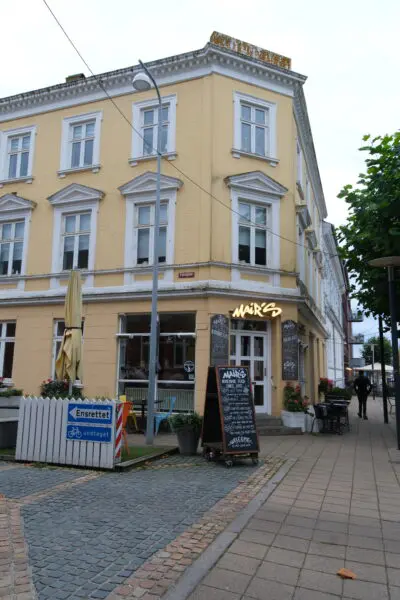
Fredericia was built as a fortified city in the seventeenth century, and today it is buzzing! There is a food market, Café Vivaldi Fredericia is pleasantly busy, Café Mair's has a beautiful innovative menu, and we settle down at Druen vinbar & hapser. When we are in the mood for a wine bar. We end up at Doktor Herman again when we are in the mood of its own. are for cocktails.
Located by the old harbor is Café Mums, a cozy waterfront café serving classic Danish and seasonal dishes. For lunch, they serve smørrebrød, the Danish open sandwich. Smørrebrød is a hearty slice of rye bread, carefully topped with ingredients such as herring, shrimp, roast beef, egg, or smoked fish. And it is presented beautifully. In the evening, you can get excellent salmon and burgers.
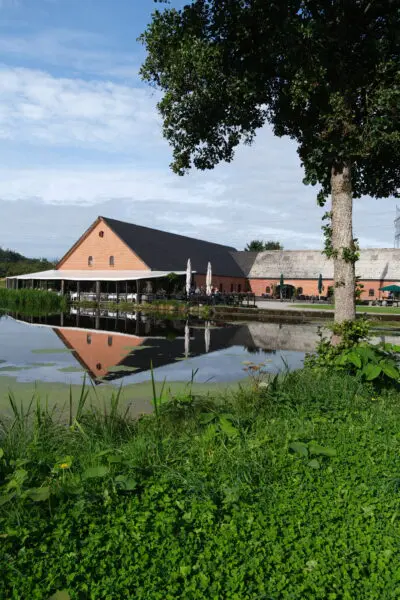
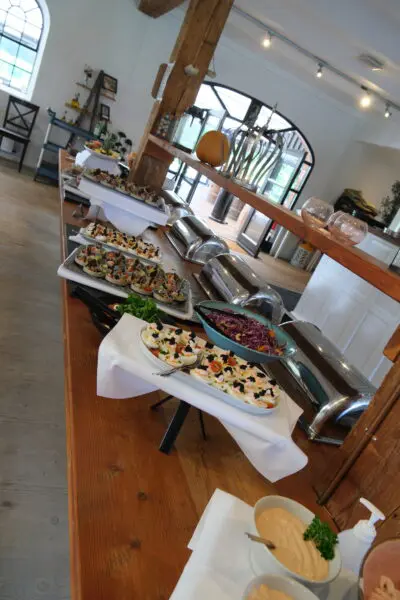
To the west of Vejle lies the Vejle Ådal, the valley of the River Vejle. What we have seen of Denmark so far suddenly feels quite 'un-Danish' here. The landscape is rolling, wooded, and features a river winding through the meadows. And if you want to do things the Danes do, head towards Hopballe Mølle for lunch. Grinding has been taking place at this old watermill for centuries: in the past, local farmers came here to have their grain milled, but nowadays they raise chickens here, among other things, and you will find a restaurant and a lovely farm shop.
Restaurant Møllesøen is located in the former stables, which have naturally been restored. Danish families gather here for a buffet lunch. Man, it was good! The chicken was definitely worth coming back for, just like the salmon and stews. Not so much the massive buffet culture you might be familiar with, but all the dishes were so fresh and beautifully presented. We thought it was delicious. Be sure to check the opening hours in advance.
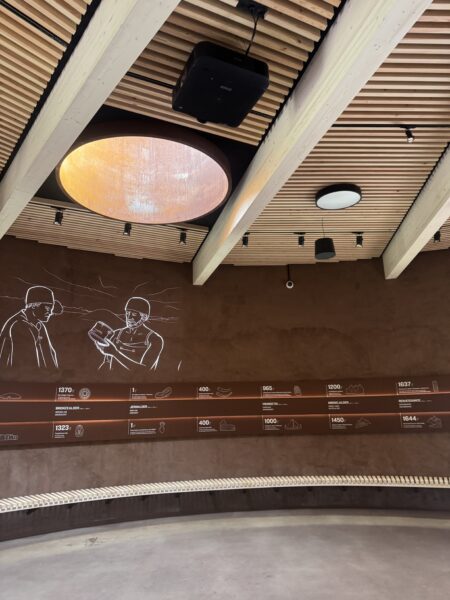
We delve into history. In 1921, a farmer near the village of Egtved discovered a burial mound. Inside stood a hollowed-out oak trunk, and beneath it lay a young woman. She had been buried approximately 3400 years earlier, during the Bronze Age. Due to the conditions in the soil, her clothing, her hair, and the cowhide in which she was wrapped were remarkably well preserved. She wore a short skirt made of cords, a short-sleeved blouse, and a belt with a large bronze disc.
The Egtved Girl is one of Denmark's most famous archaeological finds. The girl herself is housed in the National Museum in Copenhagen, but the site where she was found is now Egtved Pigens Verden: an open-air museum where you walk through the landscape, see the burial mound, and discover how people lived here during the Bronze Age. The museum is part of Vejle Museerne and admission is free.
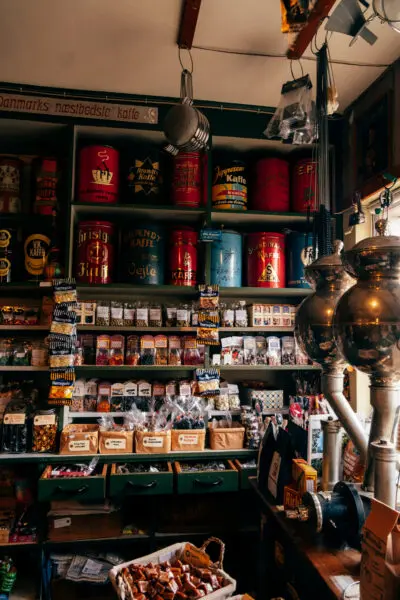
Ten minutes' drive from Egtved lies Bindeballe Købmandsgård, an interesting village shop that has existed since 1897 and is now a living museum. A Danish country shop from over a century ago with the wooden counter, drawers and shelves full of goods, old advertising signs, tins, and jars.
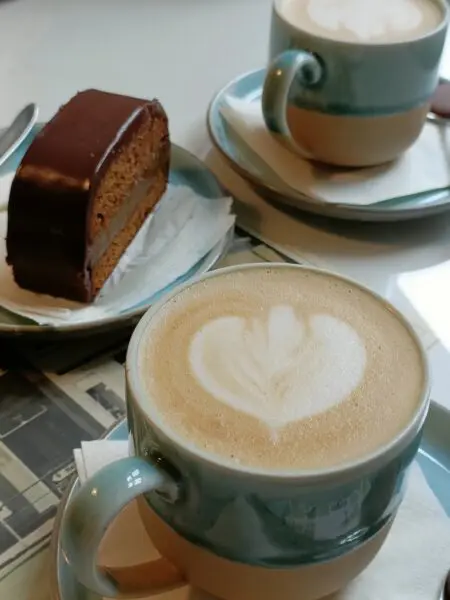
You can still buy things there, and in the back there is a small café where you can have coffee and cake. Bindeballe is located on the old cycle path along the former railway line through the valley, so you will also encounter many cyclists there.
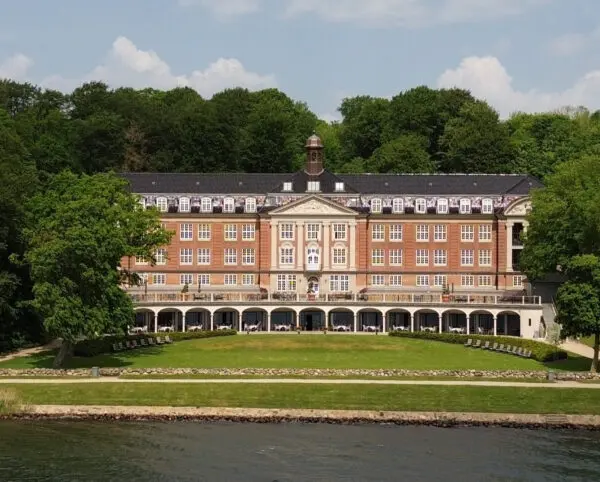
This is a real gem. Although the word 'gem' isn't quite right, because Hotel Koldingfjord is huge. Situated on the fjord, just outside Kolding, in an impressive historic building. Surrounded by greenery, with a view over the water. The complex opened in 1911 as a sanatorium for children with tuberculosis. The historic buildings and their unique character have been preserved. In 2026, two historic buildings on the grounds, Granly and Fjordglimt, were renovated and transformed into new hotel rooms and apartments. With a fitness center and sauna! Incidentally, there is also a swimming pool in the main building.
In addition to standard rooms, there are also two-bedroom apartments, convenient if you are traveling with friends or family. Some apartments have a private kitchen and terrace, giving you just a little more space and freedom during your stay. And although it is wonderfully quiet here, you can reach the center of Kolding by car in about fifteen minutes. There are many business people, but that also means there is always a buzz.
Hotel Koldingfjord | ©Hotel Koldingfjord
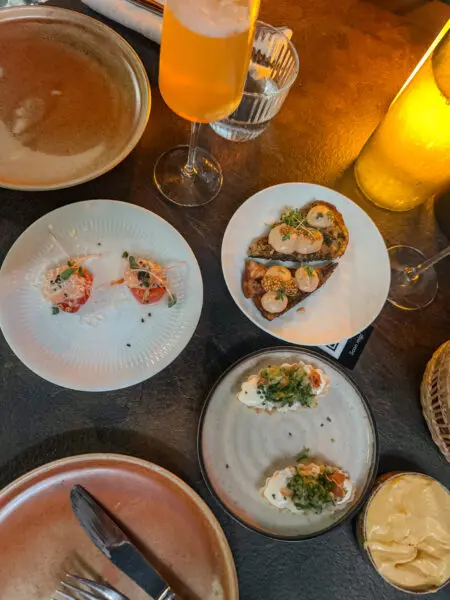
At restaurant Nögen, we had one of the most enjoyable nights out. It is a super modern and informal restaurant in the center of Kolding with a clear mission: combating food waste. The kitchen works with seasonal produce and uses ingredients that are often thrown away in other restaurants. Vegetables that might not look quite perfect, leftovers, bycatch, and special cuts of meat. The chefs never know exactly which ingredients they will receive and have to come up with something new every week. The day we visited, there was an overload of tomatoes. And although, admittedly, we were a little apprehensive about the amount of tomato that would most likely be served to us, it turned out there was no need for that. The tomato was actually subtly incorporated into everything. You choose your own menu. With Halv Nögen, you get seven courses: two snacks, two starters, two main courses, and a dessert. If you are hungrier, there is Hel Nögen, with ten courses, divided over three snacks, three starters, three main courses, and a dessert. And for those who want to make the evening truly complete, there is Fuld Nögen: ten courses with an extensive wine experience, where extra portions of favorite dishes are also possible. The exact dishes change constantly, depending on the available ingredients. The bar also participates in the concept with cocktails, mocktails, and juices incorporating leftover fruit and vegetables, among other things. Incidentally, Nögen is not only located in Kolding. You can also find the concept in Vejle, Aarhus, and Copenhagen, so should you be elsewhere during your tour of Denmark, you can pull up a chair there as well. The most convenient place to park in Kolding is on Ejlersvej.
More information can be found at destinationtrekantomraadet.nl.
More tips
-

We went hiking through the Atlas Mountains in Morocco for five days (and that was the coolest thing ever!)
-
The Building: a breath of fresh air and fresh ideas
-
Pura Vida: the Caribbean coast of Costa Rica (+ tips!)
-
Tips for Kystlandet: the Denmark you want to know
-
Sønderjylland in Denmark is within driving distance of the Netherlands and is surprisingly fun!
-

Wander Island Vinkeveen
-

Hiking in and around Cape Town: our tips
-

Opfriesen: to recharge, Friesland style
-

Malawi is Africa's best-preserved safari and tropical destination.
-

All together in nature: our favorite Dutch sleeping places in the middle of the greenery